
Fast Media: How the Internet Turned Your Childhood Into a Weekend Template
Nostalgia, if you trace it back to its linguistic roots, translates to the pain of an old wound. But the modern internet has streamlined the affliction. Today, we do not wait for a wound to age or heal. We rip it open, monetize the scab, and move on to the next cultural grievance before breakfast.
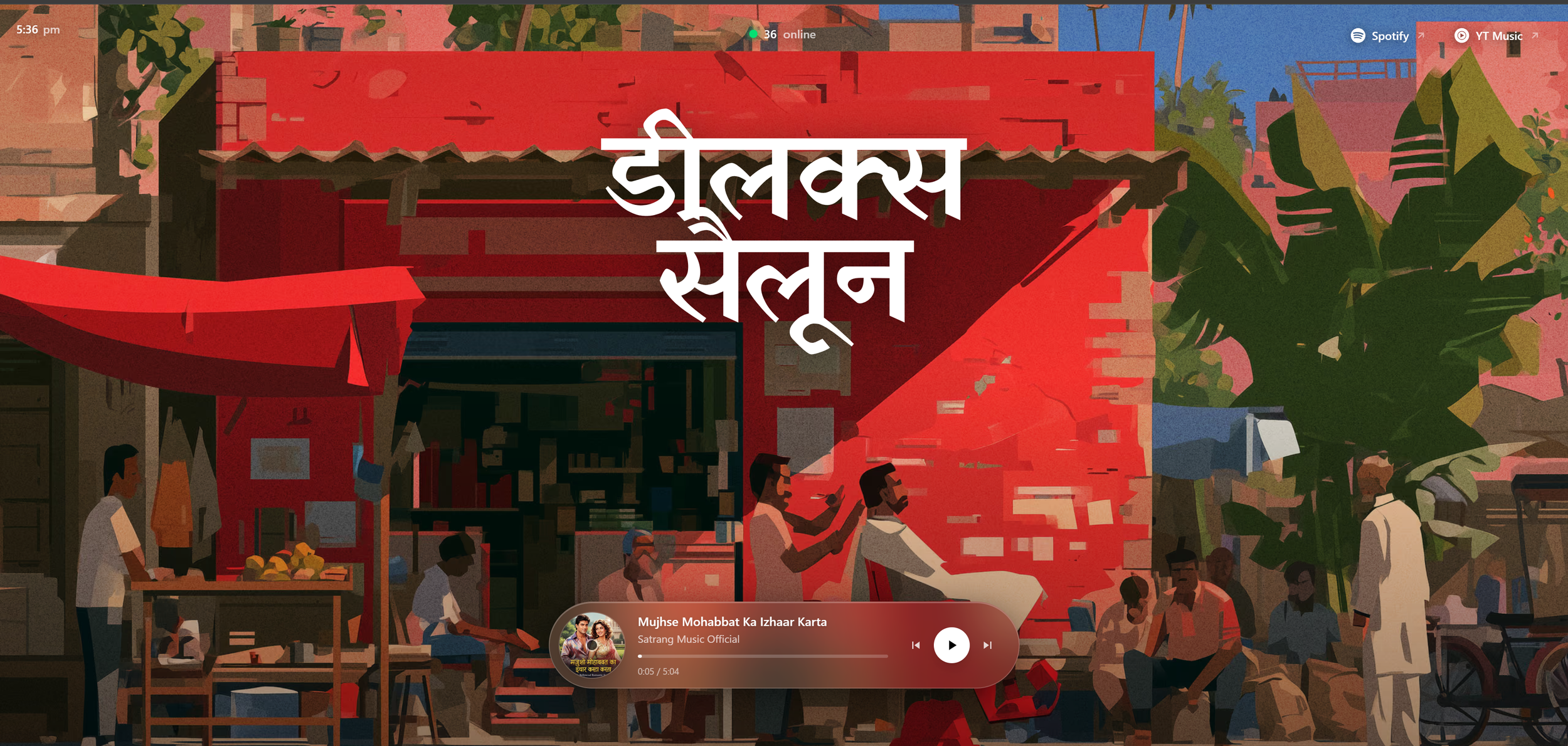
If you spent any time scrolling through your feed this August, you probably stumbled into a digital time warp that felt less like browsing the web and more like opening a forgotten trunk in your parents' attic. It started innocently enough on August 8 with a single tweet showcasing a ridiculously niche website: a virtual nineties barbershop complete with the ambient clip of scissors and a twenty-rupee haircut vibe. Within weeks, the dam broke.
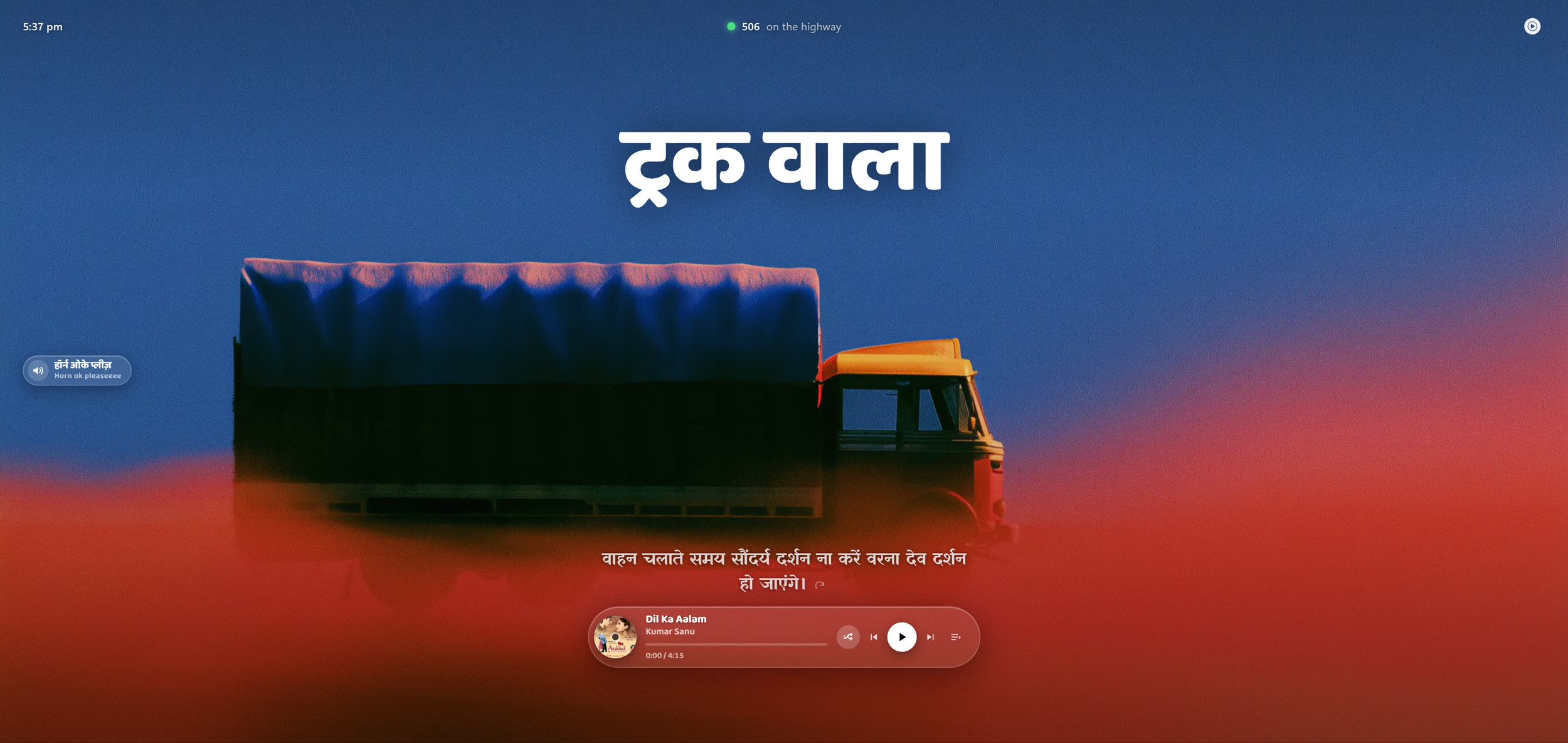
Suddenly, the web was flooded with shrines to things we thought we had left behind in dusty cassette cases and state-transport buses: the rhythmic rattle of Horn Please trucks at two in the morning, the plastic-stool clatter of roadside tapris, construction-site radios, and regional radio loops that haven't been legally heard since the turn of the millennium.
The Visionary and the Stampede
There is a wide, unbridgeable chasm between the person who invents a cultural format and the hundred people who set up a copycat shop right outside their gate the next morning.
The creator who kicked this off on August 8 did not just string some code together. They had that rare, instinctive antenna for what an AI-native internet actually feels like, understanding how to take raw, messy cultural data and turn it into an emotion. But the moment the door was unlatched, the stampede began. Within days, Vercel links were multiplying faster than stray dogs in a colony: regional song archives, bus driver simulators, and local transit boards popping up at a rate of thousands an hour.
Many of these fast-followers were not deep conceptual artists. They were just quick-handed builders treating cultural memory like a weekend template. But in their rush to catch a viral wave, they accidentally built the internet’s most chaotic, beautiful nostalgia archive. One person forged the key, and a thousand people broke into the warehouse.
It Is Just a Wrapper and That Is Missing the Point
The tech purists, naturally, are clearing their throats with predictable exhaustion: "Arre, it is just a wrapper on a playlist."
Technically, they are right. Most of these sites are just a thin user interface draped over standard audio loops or basic web embeds. But calling it just a wrapper completely misses the mahaul.
The genius is not in some complex, venture-backed algorithm. It is the lehza, the precise cultural accent. It is knowing instinctively that a late-night bus journey through the hinterland demands a very specific kind of compressed, high-treble track, just as a roadside adda requires the ambient roar of traffic and the hiss of boiling milk. That is not software engineering. That is pure, observational anthropology for people with short attention spans.
The Fast-Media Treadmill
We have seen this script before, usually courtesy of global supply chains churning out fast fashion before a runway trend has even cleared customs. Now, AI and low-code platforms have handed us the exact same playbook for culture: fast media.
We are mass-producing nostalgia at an industrial scale. Micro-memories that once required a documentary crew, a grant, and six months of field research are now packaged, shipped, and consumed between two bites of a sandwich. It is efficient, slightly dizzying, and dangerously flat if you do not look closely.
| Metric | The Artisanal Era (Slow Culture) | The AI Fast-Media Era |
|---|---|---|
| Production Velocity | Months or years of careful curation | Thousands of clone sites per hour |
| Audience Retention | Decades of deep cultural anchoring | Seconds before instant redundancy |
| Lifecycle Outcome | Becomes part of collective heritage | Swallowed by digital detritus |
The Kishkindha Kandam of the Mind
There is something hauntingly reminiscent here of the Malayalam psychological thriller Kishkindha Kandam. In that film, the characters are surrounded by the literal and emotional detritus of memory, where an aging patriarch trapped in cognitive decline repeatedly uncovers a tragic truth, burns his investigative notes, forgets, and restarts the agonizing loop all over again.
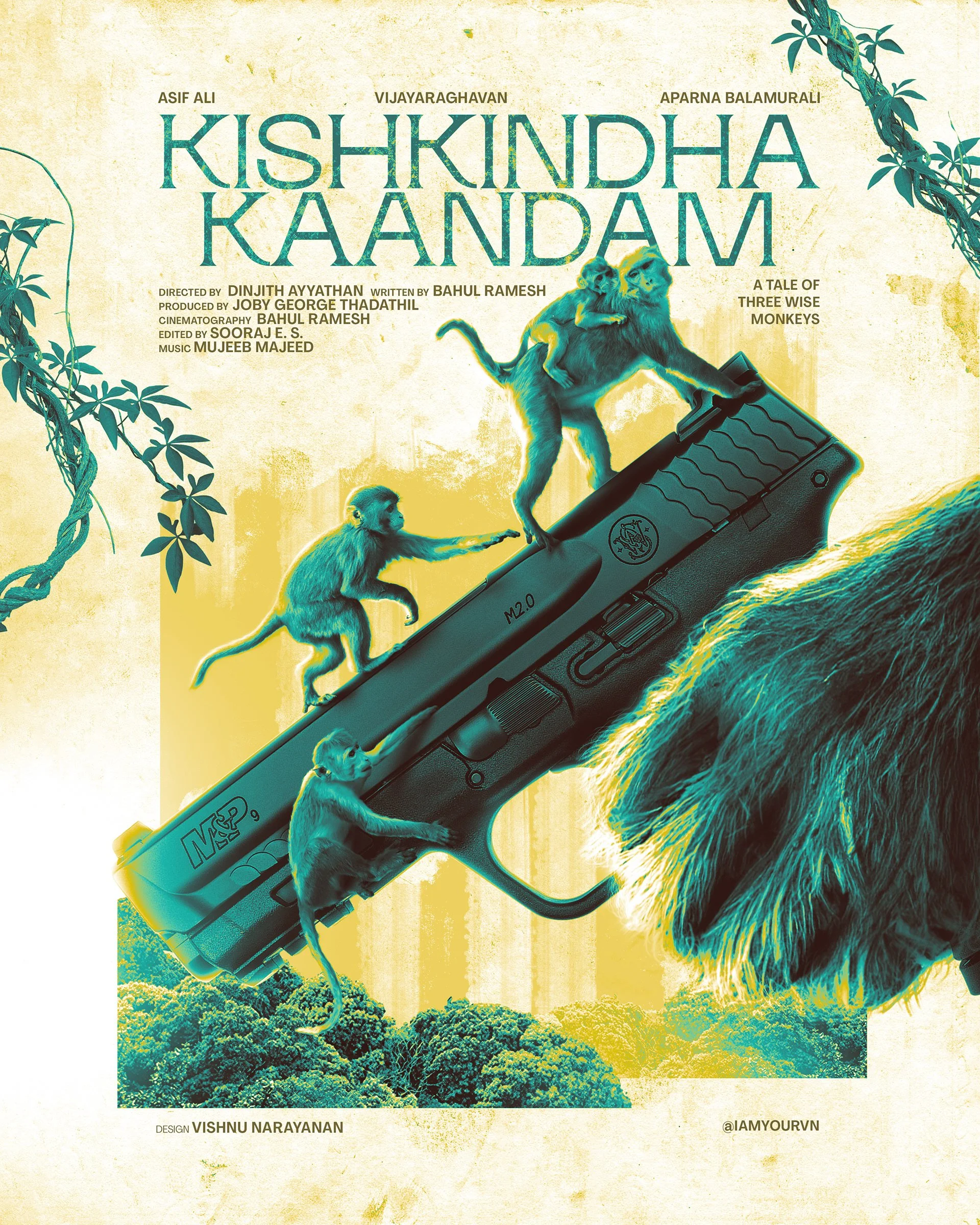
That is precisely what the internet is doing to our collective history right now. We are digging up old memories, stripping them of context, mass-producing clones until they turn into sterile digital detritus, burning through our cultural archives, and then resetting our feeds to do it all over again tomorrow morning. We are drowning in the very history we claim to celebrate.
A Gentle Word for the Builders
Which brings us, rather gently, to how we communicate in a world swimming in noise.
Whether you are working alongside a communications team or just trying to figure out your brand voice on the ground, the perennial corporate disease is the same: a desperate, beige desire to appeal to everyone, which usually results in sounding like a press release nobody asked to read.
The quiet brilliance of this digital bazaar is a reminder that authenticity cannot be manufactured in a conference room. It has to be excavated. The sites that went viral did not try to capture a bland, global demographic. They targeted the exact person who remembers the hiss of a memory card plugged into an auto-rickshaw dashboard.
When you strip away the corporate varnish and bring those hyper-local micro-nuances to the fore, people stop scrolling. In a world drowning in synthetic, mass-produced output, radical specificity remains the rarest luxury of all.
The Founder Window and the Spent Force
For founders, operators, and product teams, this frantic velocity holds a sobering lesson. Products, companies, and ventures operate within a punishingly narrow window of time. Long before an emerging facet of pop culture or consumer sentiment is fully understood in a boardroom, it is already a spent force, strip-mined of its novelty by a thousand automated clones.
At Influence Forge Ventures, we watch builders waste months trying to chase yesterday's viral loop, treating culture like a predictable formula rather than a living, breathing pulse. By the time a committee approves the strategy, the audience has already moved three algorithms ahead. If you want to build something that actually sticks in a world designed for instant obsolescence, stop looking at what everyone else is recycling. Find the micro-nuance nobody else has bothered to exploit, and build your moat before the stampede arrives.
An Acknowledgment
Credit where it is due: the thematic and tonal DNA of this article was heavily influenced by the works of Shephali Bhatt, undeniably one of India's finest writers documenting our digital culture and decay. You can find her dissecting the internet on her Twitter profile and explore more of her writing via her Linktree.
The Archive (Explore the Phenomenon)
- Saloon.wtf (90s Barbershop vibes)
- Truckplaylist.wtf (Horn OK Please)
- Hornokplease.xyz (Truck radio)
- Safar-e-up.vercel.app (UP Parivahan nostalgia)
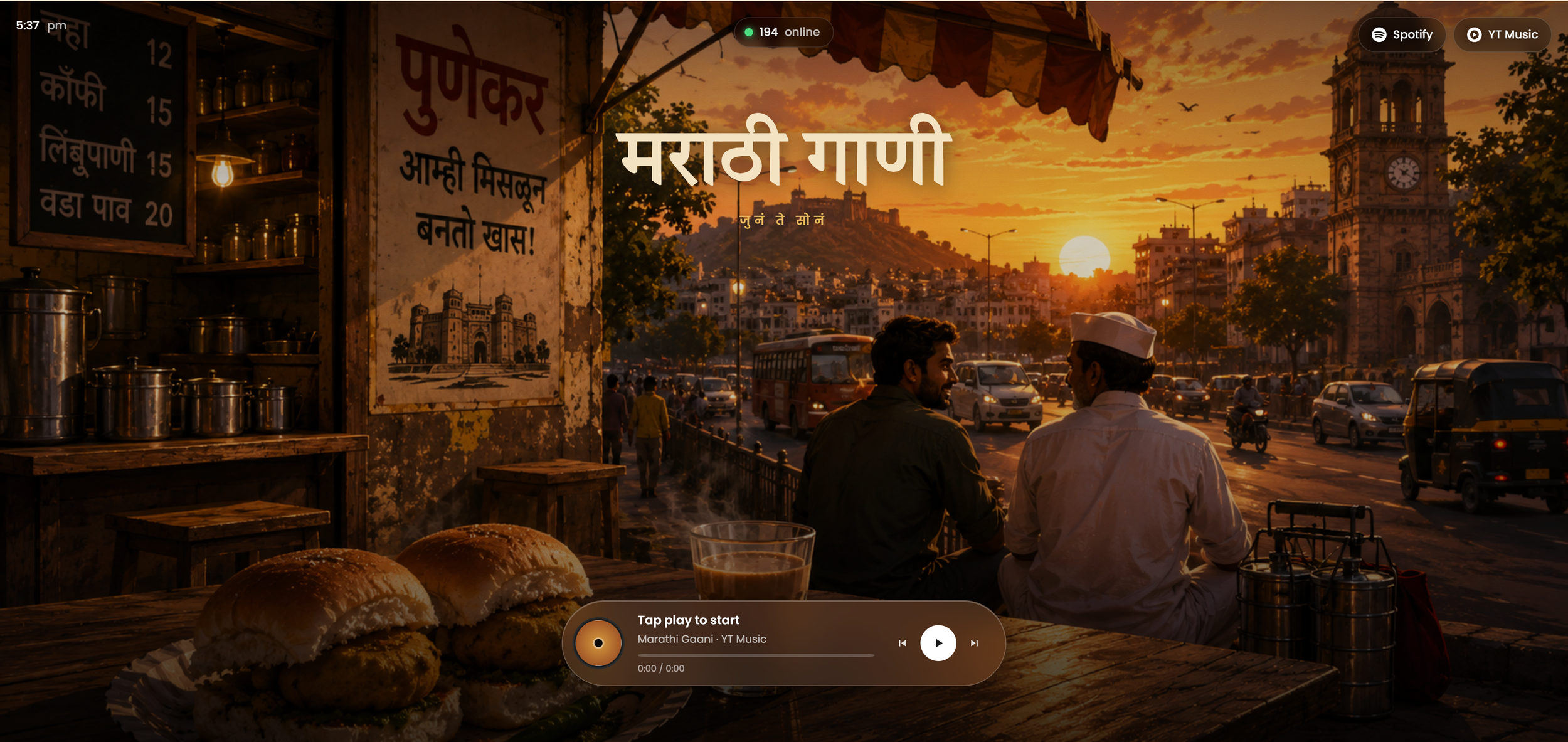
- Marathi-songs.vercel.app (Home classics)
- Madrasradio.vercel.app (Tamil night drive)
- Kannada2000s.vercel.app (Childhood unlocked)
- Naada-blr.vercel.app (Bangalore nostalgia)
- Sindhi-lada.vercel.app (Sindhi celebrations)
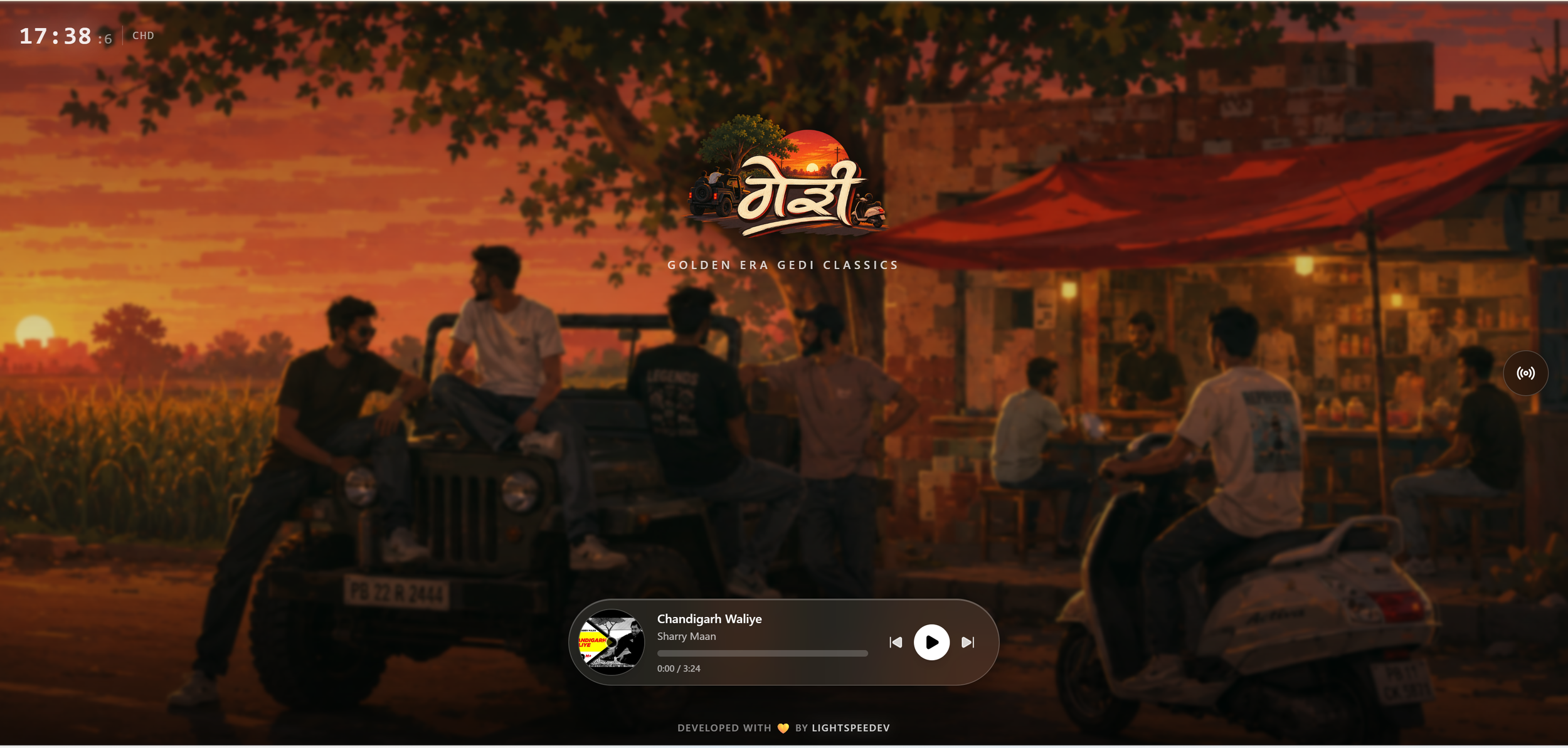
- Gediroute.vercel.app (Punjabi Bluetooth era)
- Bihar-parivahan-nigam.vercel.app (Bus journey core)
- Chacharchok.vercel.app (Gujarati chachar chok)
- Mazdoor-radio.vercel.app (Mazdoor anthem energy)
- Chaitapri.vercel.app (Cutting chai)
- Chaiwala.live (Chai stall classic)
- Busdriver.wtf (Long-distance playlist)
- Roadways-wala.ai.studio (Roadways bus vibes)
- Construction-site-lac.vercel.app (Construction site radio)
- Auto-wala.vercel.app (Auto vibes)
- Pan-wala.vercel.app (Pan shop aesthetic)
Journalistic Disclaimer: This article is a piece of cultural commentary examining the emerging digital nostalgia trend. All copyrights, trademarks, and intellectual property rights belong to the original creators and respective rights holders of the showcased projects. No ownership is claimed over the external links or applications listed above. Please note that as these are community projects, they may occasionally go dark or links may become unreachable over time.